Planning Seminars With Venue Flexibility
In the fast-paced landscape of seminar planning, the concept of venue flexibility has emerged as a pivotal factor in shaping the success and impact of events. The ability to seamlessly pivot between spaces, layouts, and seating arrangements can significantly influence the flow and outcome of a seminar. However, beyond the logistical advantages event space Singapore, the strategic utilization of venue flexibility can open doors to a realm of possibilities that can elevate the overall experience for both organizers and attendees. By exploring innovative ways to harness this potential, event planners can unlock a new level of creativity and engagement that transcends traditional seminar formats.
Benefits of Venue Flexibility
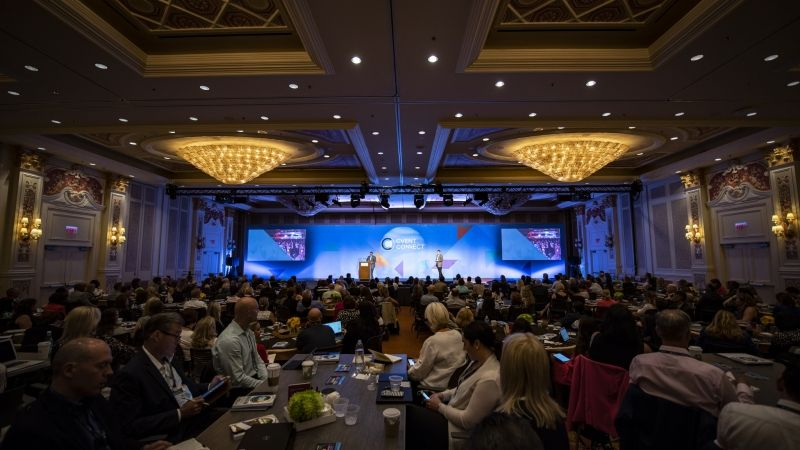
When considering the advantages of venue flexibility in planning seminars, it becomes evident that the ability to adapt to various locations enhances event customization and attendee experience significantly.
One key benefit is the freedom to choose venues that align with the seminar’s theme or goals, creating a more immersive experience for participants. Whether it’s a sleek urban conference center, a serene outdoor location, or a historic landmark event space in Singapore, the flexibility in venue selection allows for a tailored atmosphere that can boost engagement and learning.
Moreover, venue flexibility offers logistical advantages. Organizers can select venues that are easily accessible for attendees, provide ample parking, or offer convenient accommodation options nearby. This, in turn, can enhance attendance rates and overall participant satisfaction. Additionally, the ability to switch venues based on specific seminar requirements, such as the need for breakout rooms, exhibition spaces, or audio-visual capabilities, ensures that the event’s practical needs are met efficiently.
Choosing the Right Venue
When considering the best venue for your seminar, key factors come into play.
Location Selection Tips, Capacity Considerations, and Amenities to Prioritize are essential aspects to weigh when choosing the right venue.
Each of these points holds significance in creating a successful and engaging seminar environment.
Location Selection Tips
Effective event planning hinges on meticulous consideration of various factors, with the selection of the ideal venue being a pivotal decision that can significantly impact the success of a seminar. When choosing a location, consider the accessibility for attendees, proximity to transportation hubs, and availability of parking. Opt for venues with versatile spaces that can accommodate different setups and activities. Ensure the venue aligns with the seminar’s theme and desired atmosphere.
Flexibility in terms of catering options, technology infrastructure, and room configurations is crucial to meet varying seminar needs. Additionally, assess the venue’s reputation for customer service and responsiveness. Prioritize venues that offer flexibility in terms of rescheduling or adjusting arrangements to provide freedom and ease in planning.
Capacity Considerations
Selecting the appropriate venue based on capacity considerations is a critical aspect of ensuring the success of a seminar. The venue’s capacity should align with the number of attendees expected, providing ample space for comfort and movement.
When choosing a venue, consider not only the maximum capacity but also factors like seating arrangements, networking areas, and any additional space needed for activities or displays. It’s important to strike a balance between having enough room to accommodate all participants comfortably and avoiding a space that feels overwhelmingly large for the group size.
Amenities to Prioritize
In considering the choice of venue for a seminar, it is essential to prioritize amenities that will enhance the overall experience for attendees.
When selecting a venue, focus on amenities such as high-speed Wi-Fi to ensure seamless connectivity for presentations and workshops.
Adequate parking facilities or easy access to public transportation can offer convenience for participants.
Comfortable seating arrangements, temperature control, and acoustics are crucial for maintaining a conducive learning environment.
Access to catering services or nearby dining options is beneficial for breaks and networking sessions.
Additionally, venues with breakout rooms or outdoor spaces provide flexibility for different seminar activities.
Prioritizing these amenities can significantly impact the success and satisfaction of seminar attendees while allowing for a productive and engaging event.
Customizable Setup Options
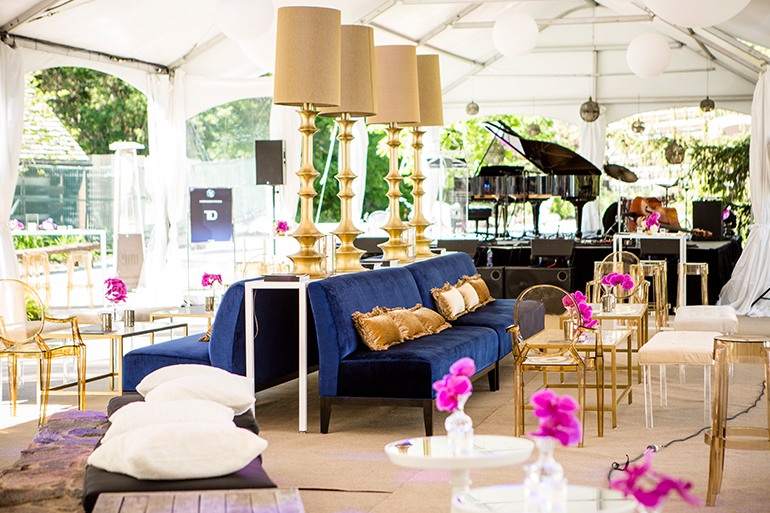
When planning seminars, having customizable setup options can significantly enhance the event experience. Layout options allow for tailoring the venue to the specific needs of the seminar, ensuring optimal flow and engagement. Flexible seating arrangements can accommodate different group sizes and foster networking opportunities among attendees.
Layout Options
One effective approach to maximizing the potential of a seminar venue is by exploring diverse layout options that offer customizable setup configurations. By having the flexibility to adjust the layout according to the specific needs of the seminar, organizers can create spaces that cater to different activities, group sizes, and interactive requirements.
Some layout options to consider include theater-style seating for larger audiences, classroom setups for workshops, U-shape or boardroom arrangements for discussions, and open spaces for networking sessions. These customizable setups allow for creativity and adaptability, ensuring that the venue can transform to suit various seminar formats seamlessly.
With the freedom to choose from a range of layout options, event planners can craft dynamic environments that enhance engagement and productivity during seminars.
Flexible Seating Arrangements
Exploring diverse layout options that offer customizable setup configurations is a strategic approach to maximizing the potential of a seminar venue. A particular focus is placed on the flexibility of seating arrangements to cater to various activities and group sizes.
Flexible seating arrangements allow for easy transition between lecture-style seating, group discussions, workshops, or even networking sessions. Options such as theater-style seating, classroom setup, U-shape, or even lounge seating can be adapted to suit the needs of different sessions within the same seminar.
This adaptability not only enhances the overall attendee experience but also increases engagement and participation. By providing attendees with the freedom to choose their seating preferences, seminar organizers can create a dynamic environment that fosters collaboration and interaction among participants.
Adapting to Attendance Changes
In the dynamic landscape of event planning, the ability to adapt to fluctuations in attendance is a critical skill that can make all the difference in the success of a seminar. To effectively manage attendance changes, event planners should implement strategies that allow for flexibility.
One approach is to have a clear communication plan in place, ensuring attendees can easily update their RSVP status. Utilizing technology, such as event management software, can streamline this process and provide real-time updates on attendee numbers.
Additionally, having a scalable venue that can accommodate both small and large crowds is advantageous. This flexibility enables organizers to seamlessly adjust seating arrangements and room setups based on the actual turnout. Keeping an open line of communication with the venue staff is also essential, as they can assist in making quick adjustments to cater to unexpected changes in attendance.
Enhancing Program Flexibility
Enhancing program flexibility is a key aspect of optimizing the seminar experience for attendees and ensuring smooth event execution. By incorporating elements that allow for adaptability and spontaneity, seminar organizers can cater to the diverse needs and preferences of participants. One way to enhance program flexibility is by including interactive sessions where attendees can choose between different topics or activities based on their interests. This not only gives participants the freedom to tailor their experience but also creates a dynamic and engaging environment.
Moreover, offering a mix of structured sessions and open networking opportunities provides attendees with the flexibility to engage in formal learning as well as informal discussions. By striking a balance between planned content and unstructured time, seminar organizers can accommodate varying learning styles and preferences. Additionally, incorporating breaks in the schedule allows participants to recharge and network, fostering a sense of community and collaboration.
Equipment Needs Considerations
Careful assessment of equipment needs is essential for seamless seminar execution and participant satisfaction. When planning a seminar with venue flexibility, it is crucial to consider the type of equipment required for the presentations, workshops, or interactive sessions. Begin by identifying the essential tools such as projectors, screens, microphones, and speakers. Assess the venue’s existing equipment to determine what is available and what needs to be sourced externally. It’s also wise to have contingency plans in case of equipment malfunction or technical issues.
Moreover, consider the compatibility of devices and technology to ensure smooth operation during the seminar. If participants are expected to bring their devices, provide clear instructions on connectivity and compatibility requirements. Additionally, think about the layout of the venue concerning equipment placement for optimal visibility and accessibility. Having a dedicated tech support team on-site can further enhance the seminar experience by promptly addressing any equipment-related concerns. By meticulously addressing equipment needs, seminar organizers can create a conducive environment for learning and engagement.
Tips for Maximizing Flexibility
To leverage the full potential of venue flexibility when planning seminars, strategic adaptability stands as a key element in maximizing the event’s impact and effectiveness.
One tip for maximizing flexibility is to keep communication channels open with the venue staff. By maintaining a collaborative relationship, you can swiftly adjust seating arrangements, room setups, or catering options as needed. Additionally, consider using modular furniture that can easily be rearranged to suit different seminar formats.
Being open to last-minute changes and having backup plans ready can help you navigate unexpected challenges smoothly. Another tip is to embrace technology by utilizing mobile event apps or virtual meeting platforms to provide attendees with options for remote participation. This way, participants can join seminars from anywhere, expanding your reach and accommodating diverse preferences.
Lastly, when selecting venues, prioritize spaces with versatile layouts and amenities that align with your seminar goals, allowing for seamless transitions between different activities and enhancing the overall attendee experience.
Case Studies: Successful Seminars
Having examined the importance of venue flexibility in seminar planning, it is now insightful to delve into case studies showcasing successful seminar executions.
One such exemplary case study is the TechConnect Seminar held in a multi-functional event space in downtown San Francisco. The organizers strategically chose a venue equipped with movable walls and flexible seating arrangements, allowing them to easily adapt the space to different session formats and audience sizes. This flexibility enabled seamless transitions between keynote speeches, breakout sessions, and networking activities, maximizing attendee engagement and overall satisfaction.
Another notable success story is the Health Innovations Summit hosted in a customizable convention center in New York City. By utilizing modular furniture and advanced audiovisual technology, the organizers transformed the venue into a dynamic environment that catered to various presentation styles and interactive workshops. The adaptability of the space played a key role in fostering collaboration among participants and fostering a sense of innovation throughout the event.
These case studies demonstrate how venue flexibility can elevate the success of seminars by providing organizers with the freedom to create tailored experiences that resonate with their audience.
Future Trends in Seminar Planning
In anticipation of evolving industry demands and attendee expectations, the landscape of seminar planning is poised to witness a shift towards innovative strategies and technologies. One prominent trend is the integration of virtual and hybrid elements to cater to a diverse audience. Incorporating virtual components allows for increased accessibility, enabling participants from around the globe to engage with the seminar content. Moreover, the rise of artificial intelligence and data analytics is revolutionizing the way seminars are organized and personalized. By leveraging these technologies, organizers can tailor the event experience to individual preferences, boosting participant engagement and satisfaction.
Another emerging trend is the emphasis on sustainability and eco-conscious practices in seminar planning. Event organizers are increasingly opting for venues and suppliers that prioritize environmental responsibility, reflecting a broader societal shift towards eco-friendly initiatives. This trend not only aligns with the values of many attendees but also contributes to a positive brand image for the organizers. As the seminar planning landscape continues to evolve, embracing these future trends will be key to delivering exceptional and impactful events that resonate with attendees seeking innovative and sustainable experiences.
Conclusion
In conclusion, prioritizing venue flexibility in seminar planning is essential for creating engaging and dynamic experiences for attendees. By choosing versatile spaces, adapting seating arrangements, and providing customizable setup options, event organizers can enhance the overall satisfaction and success of their seminars.
Ensuring that the venue can accommodate fluctuations in attendance, incorporating interactive sessions, and staying attuned to future trends in seminar planning are key elements in creating impactful and memorable events.